
IR Optical Materials
Explore our comprehensive range of infrared optical materials for thermal imaging, CO2 laser, and spectroscopy applications.
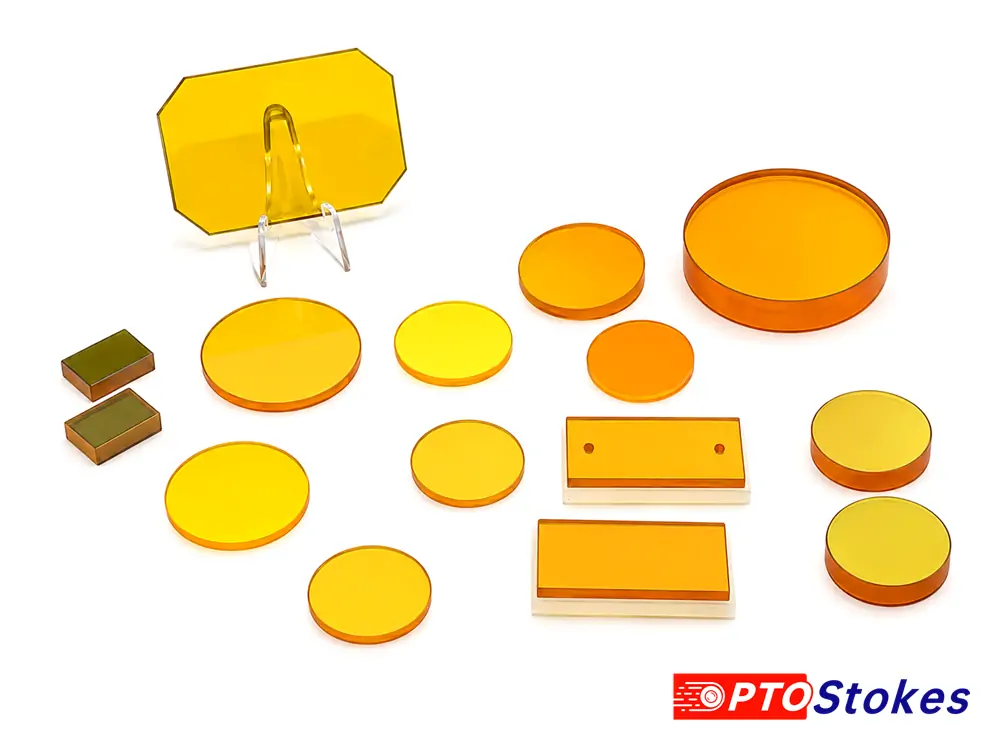
Barium Fluoride (BaF2)
Barium Fluoride (BaF2) optical material for UV-to-IR windows and spectroscopy optics, with local refractive-index reference data for engineering review.
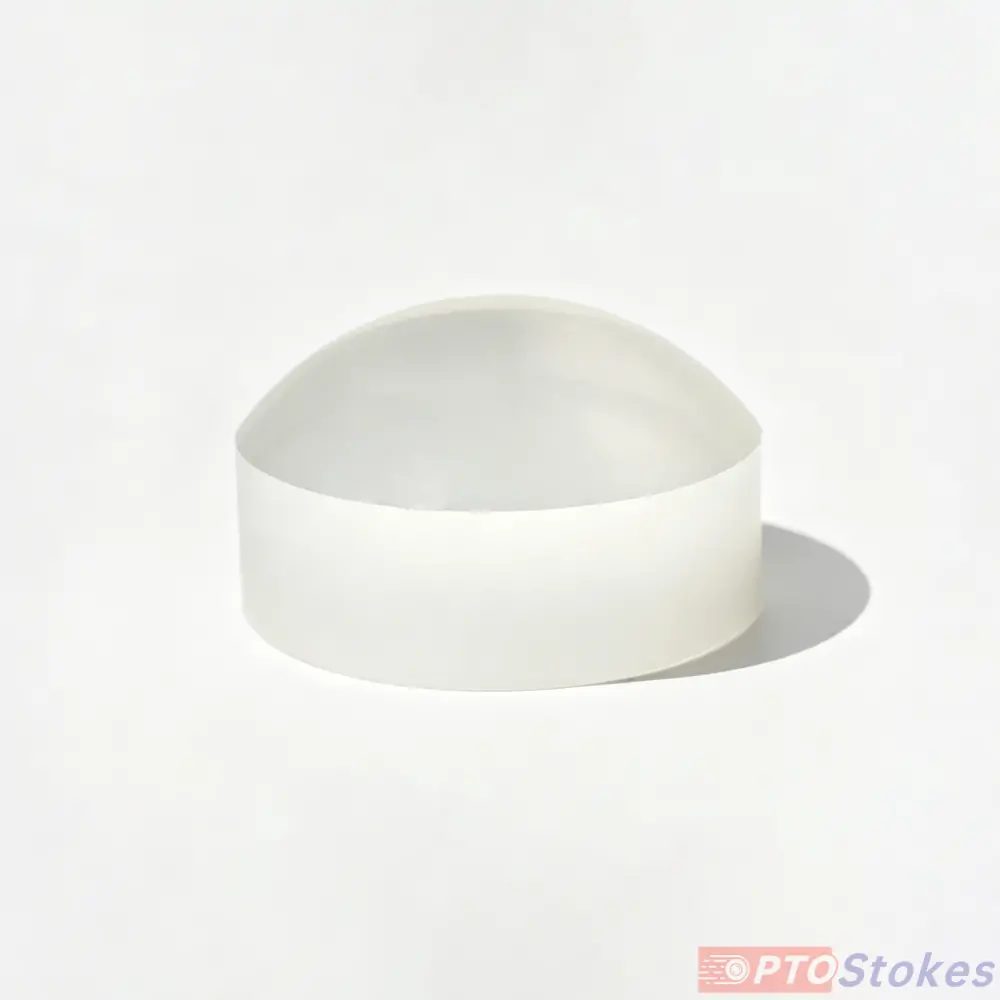
Calcium Fluoride (CaF2)
Calcium Fluoride (CaF2) optical material for UV to IR windows, lenses, and prisms, with low-dispersion and local refractive-index guidance.
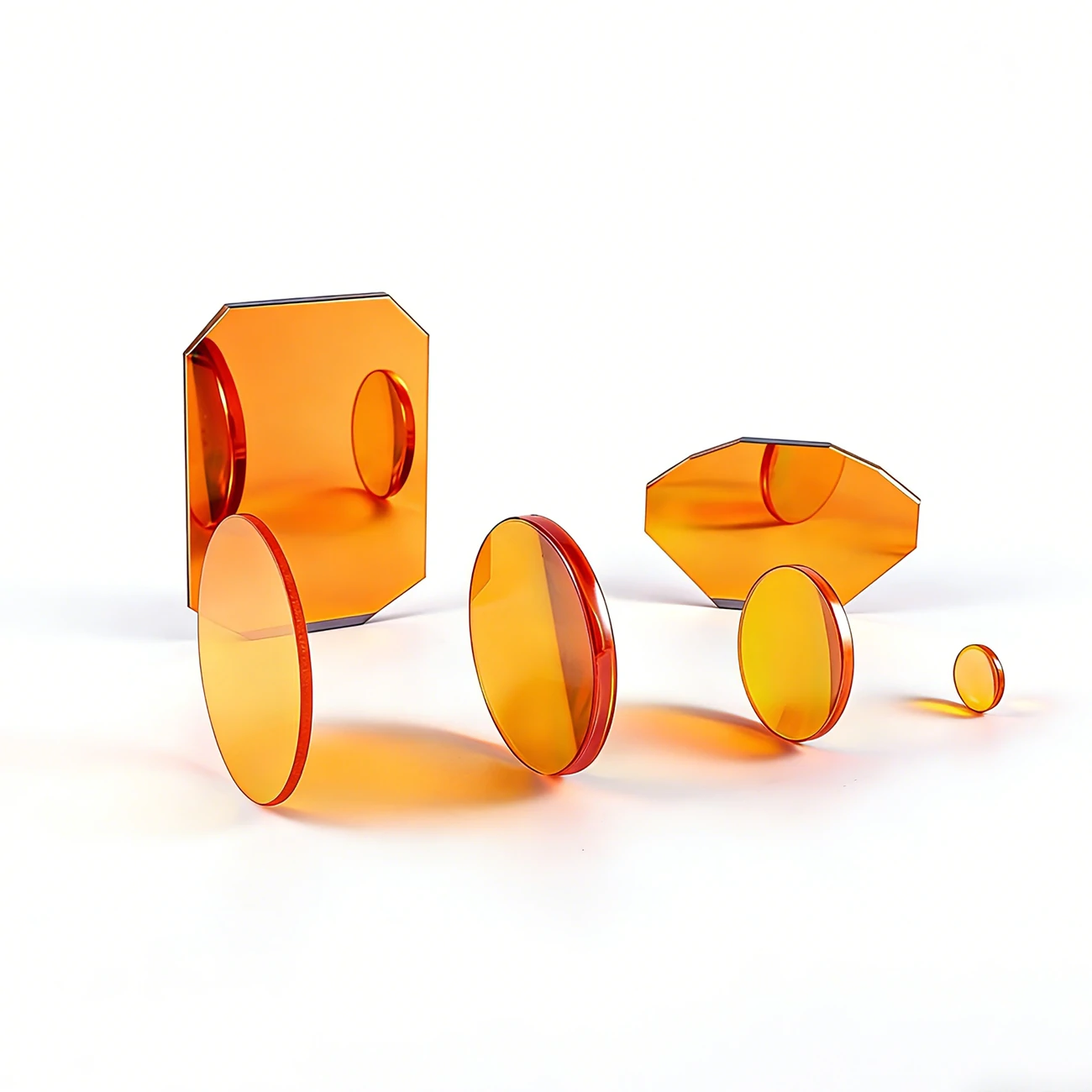
CVD ZnSe
CVD ZnSe optical material for CO2 laser optics and infrared assemblies, with local refractive-index reference data for engineering review.
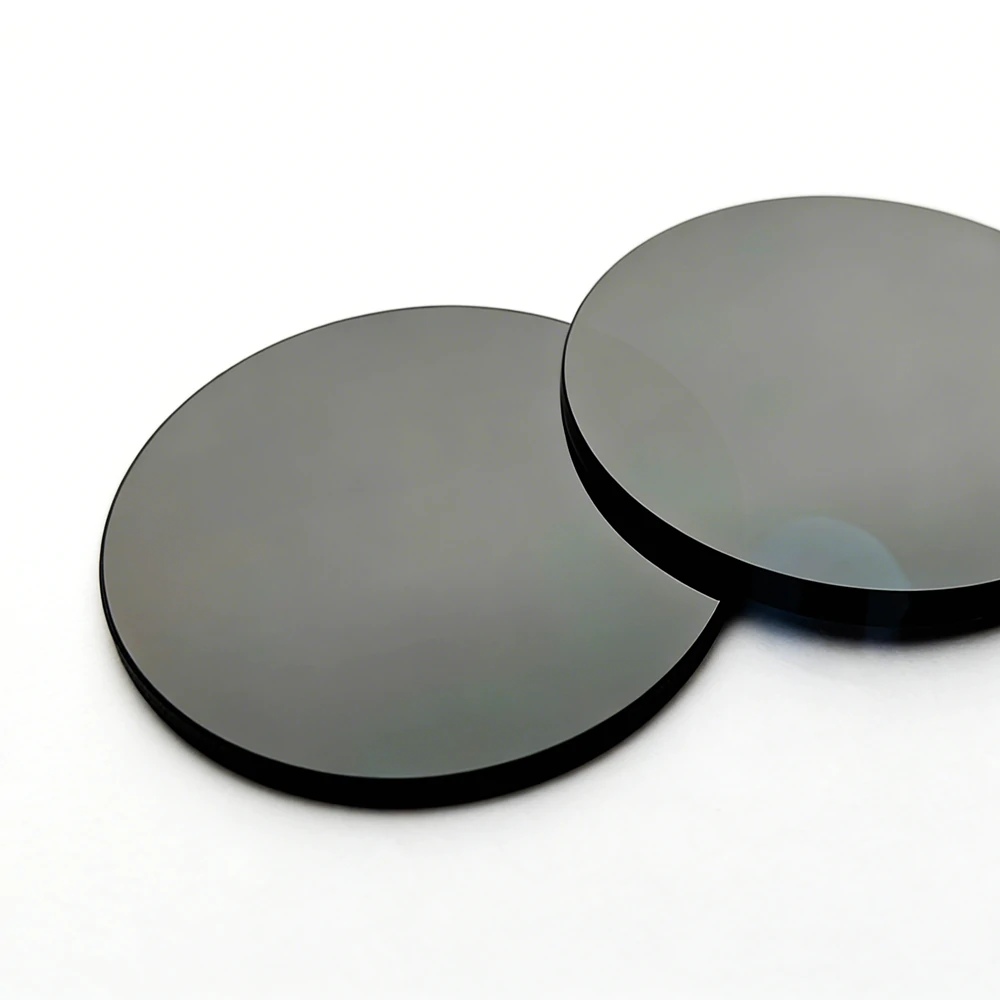
Germanium (Ge)
Germanium (Ge) optical material for LWIR windows and lenses, with local refractive-index reference data for engineering and RFQ review.
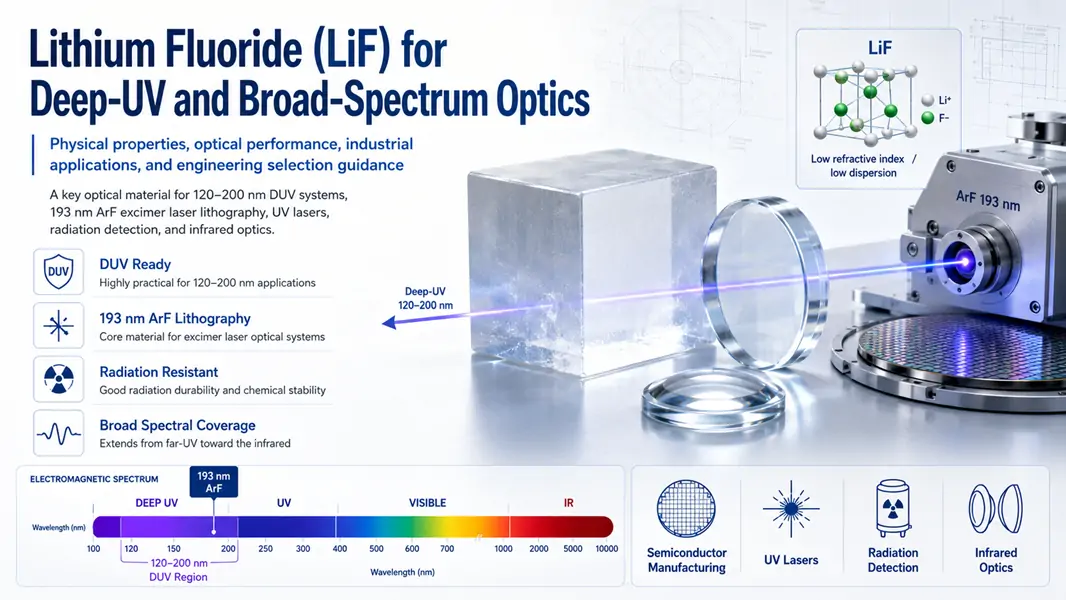
Lithium Fluoride (LiF)
Lithium Fluoride (LiF) optical material for deep-UV and broadband optical use, with local refractive-index reference data for engineering review.
Magnesium Fluoride (MgF2)
Magnesium Fluoride (MgF2) optical material for UV to IR use, with ordinary and extraordinary refractive-index references for engineering review.
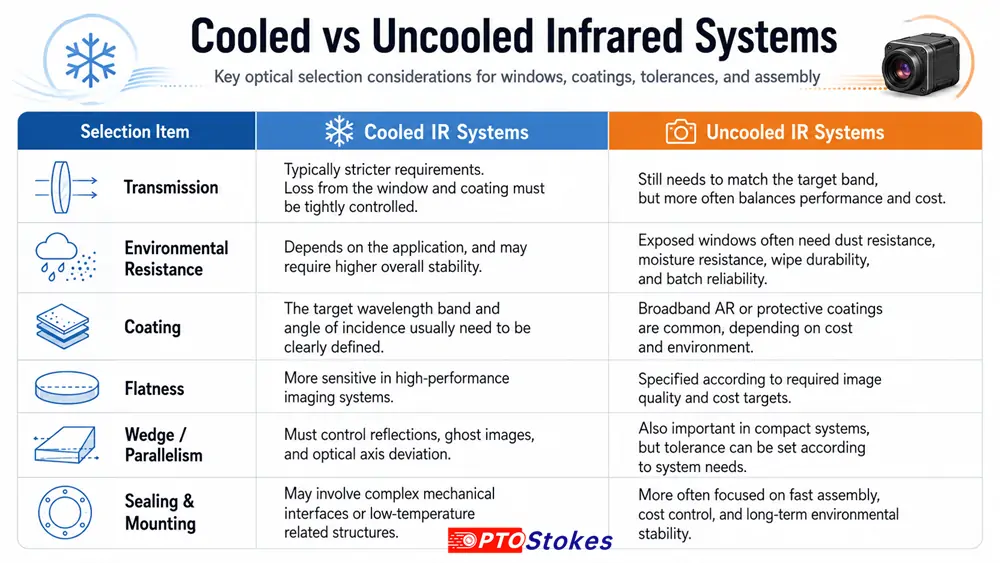
Sapphire (Al2O3)
Sapphire (Al2O3) optical material for high-temperature windows and durable UV-to-MWIR optics, with ordinary and extraordinary refractive-index references from the local RII database.
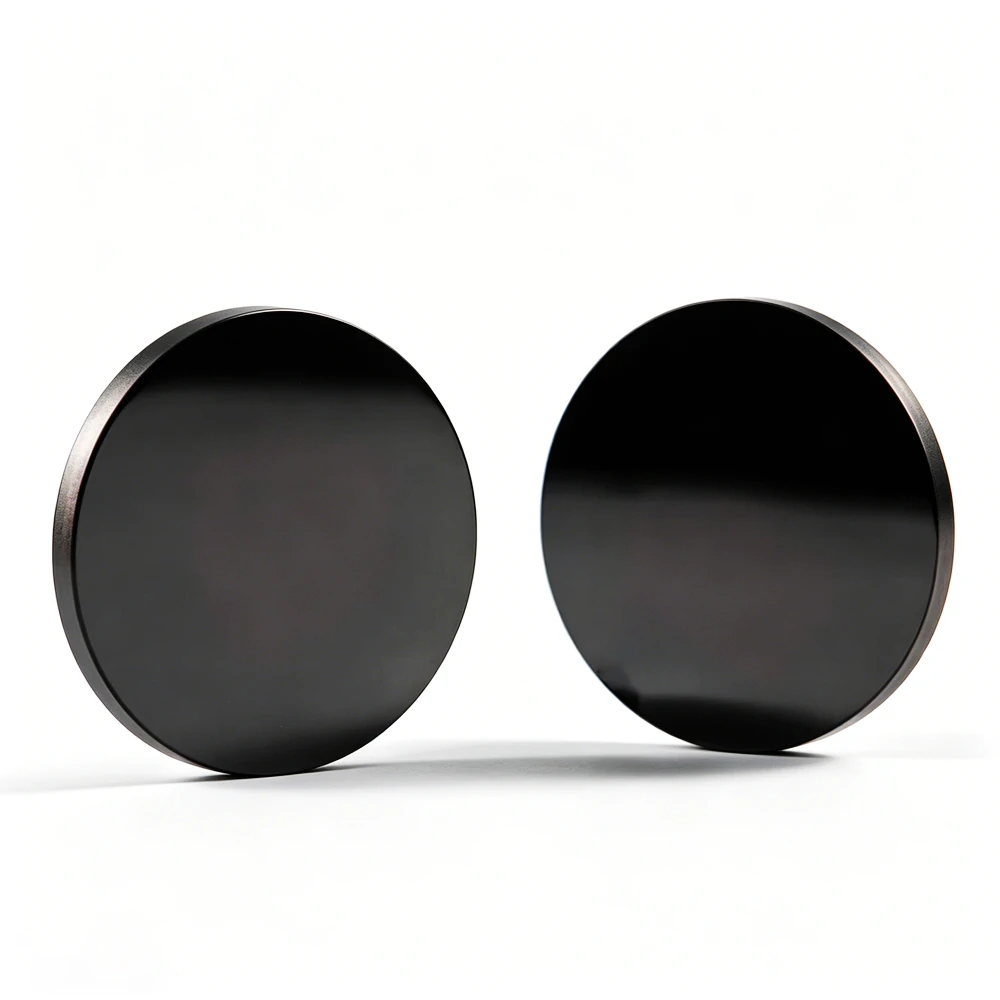
Silicon (Si)
Silicon (Si) optical material for NIR and SWIR optics, with local refractive-index reference data for engineering and RFQ review.
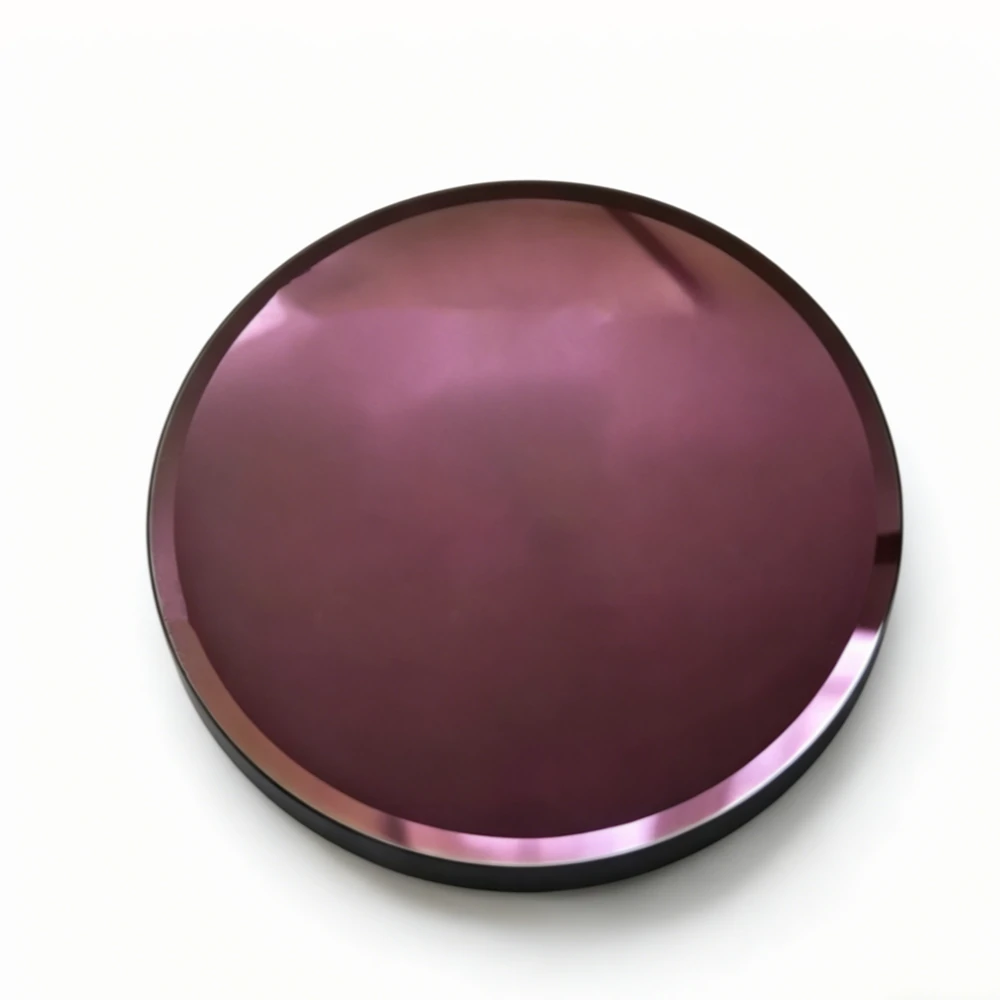
Zinc Sulfide (ZnS)
Zinc Sulfide (ZnS) optical material for multispectral windows, with local refractive-index data and absorption references for engineering review.
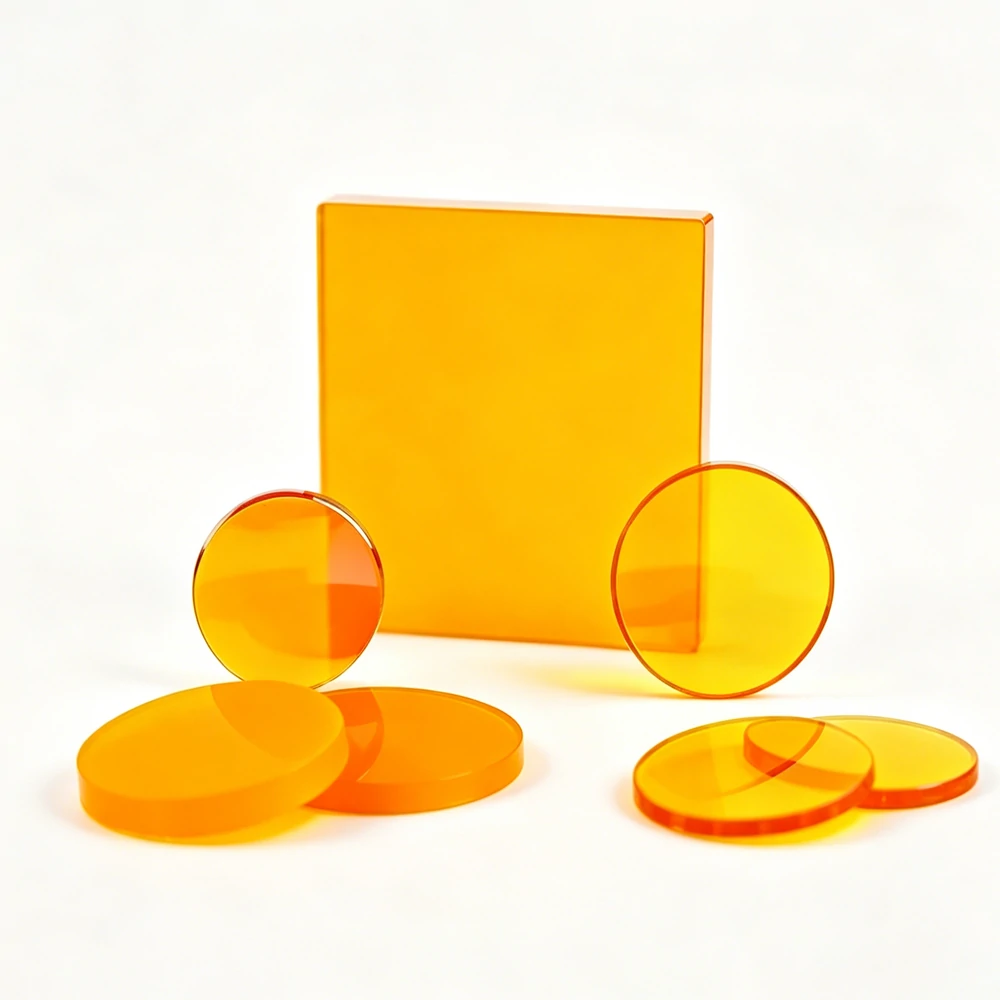
ZnSe (Standard)
ZnSe optical material for CO2 laser and infrared optics, with local refractive-index reference data for engineering and RFQ review.
Need Material Selection Guidance?
Our technical team can help you choose the right IR optical material for your specific application.