
ZnS
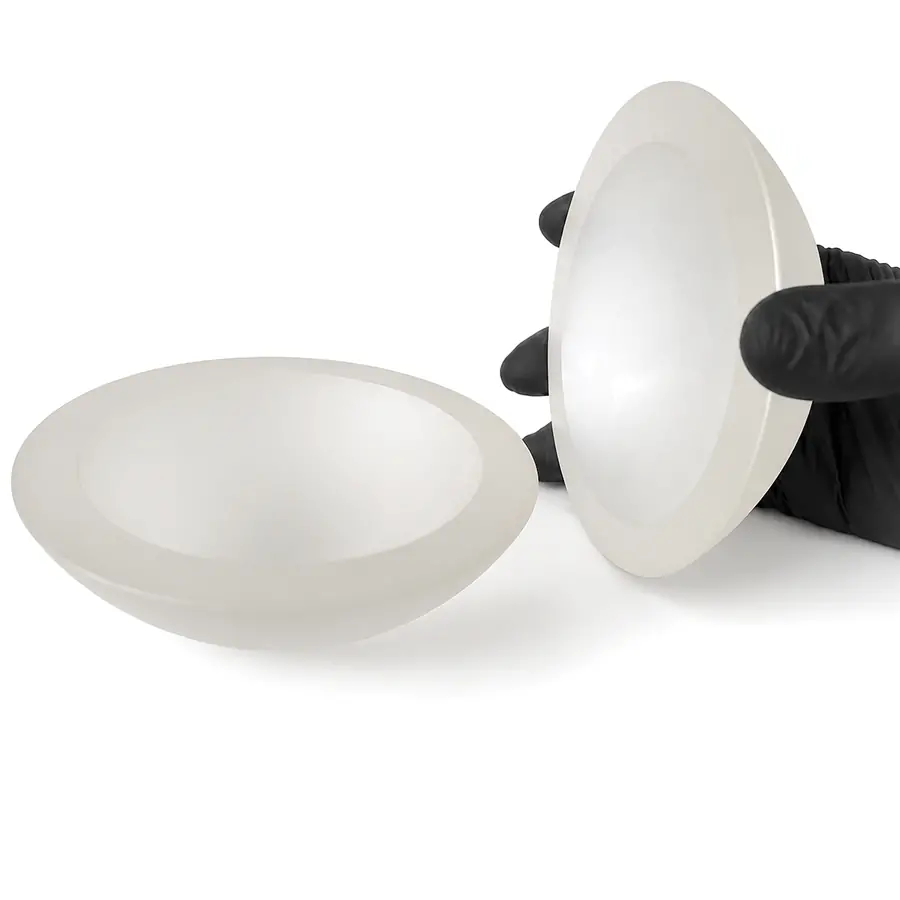
Cleartran ZnS Spherical Lenses
Cleartran ZnS spherical lenses for visible-to-LWIR multispectral focusing, collimation, and rugged optical assemblies with drawing-based engineering review.
zns-spherical-lenses

Zinc Sulfide (ZnS) optical material for multispectral windows, with local refractive-index data and absorption references for engineering review.
Primary engineering references for material screening, packaging review, and RFQ preparation.
Zinc Sulfide (ZnS) is usually reviewed for multispectral windows and rugged optical paths that need visible-to-IR coverage. In practice, engineers should check not only refractive index, but also short-wave absorption behavior, coating strategy, and whether the system needs standard ZnS or a higher-spec multispectral grade.
| Parameter | Reference |
|---|---|
| Practical Transmission Guidance | 0.4-12.0 µm |
| Local RII Dataset Range | 0.22-166.67 µm |
| Reference Dataset | Querry tabulated n,k |
| Refractive Index | 2.1990 at 10.0 µm |
| Density | 4.09 g/cm3 |
| Knoop Hardness | 160 kg/mm2 |
| Young's Modulus | 74.5 GPa |
| Thermal Expansion | 6.3 x 10^-6 /K @273 K; 7.0 x 10^-6 /K @373 K |
The values below are practical references from the local RII dataset. For multispectral windows, engineers should review both n and the approximate extinction trend in the intended band before locking substrate choice.
| Wavelength (µm) | Refractive Index | Approx. Extinction k |
|---|---|---|
| 0.400 | 2.5500 | 0.008 |
| 0.540 | 2.3840 | 0.000 |
| 1.000 | 2.2980 | 0.016 |
| 2.994 | 2.2620 | 0.000 |
| 5.000 | 2.2480 | 0.001 |
| 10.000 | 2.1990 | 0.002 |
| 12.500 | 2.1550 | 0.005 |
ZnS is usually selected for window duty rather than for the highest refractive power. Engineers should confirm the real transmission band, coating target, environmental exposure, and surface-finish requirement before release. Compare other candidate substrates through the materials index and the available fabrication routes under products if the design might also fit ZnSe or Ge.
Send wavelength band, dimensions, coating target, quantity, and application notes through the contact page for a practical ZnS review.
Cleartran ZnS spherical lenses for visible-to-LWIR multispectral focusing, collimation, and rugged optical assemblies with drawing-based engineering review.
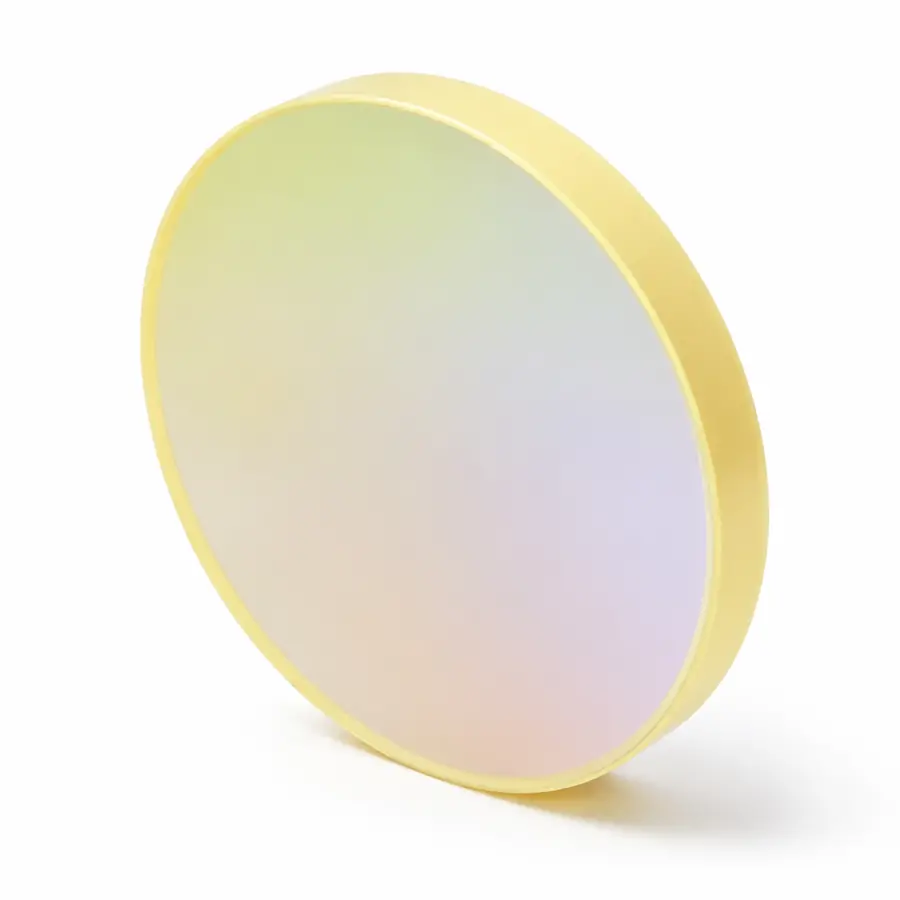
Cleartran ZnS windows for visible-to-infrared multispectral apertures, thermal imaging, FLIR, astronomy, and rugged protective optical systems.
ZnS Optics for multispectral infrared imaging and protective optical assemblies, with Cleartran ZnS material, custom size review, and coating options.
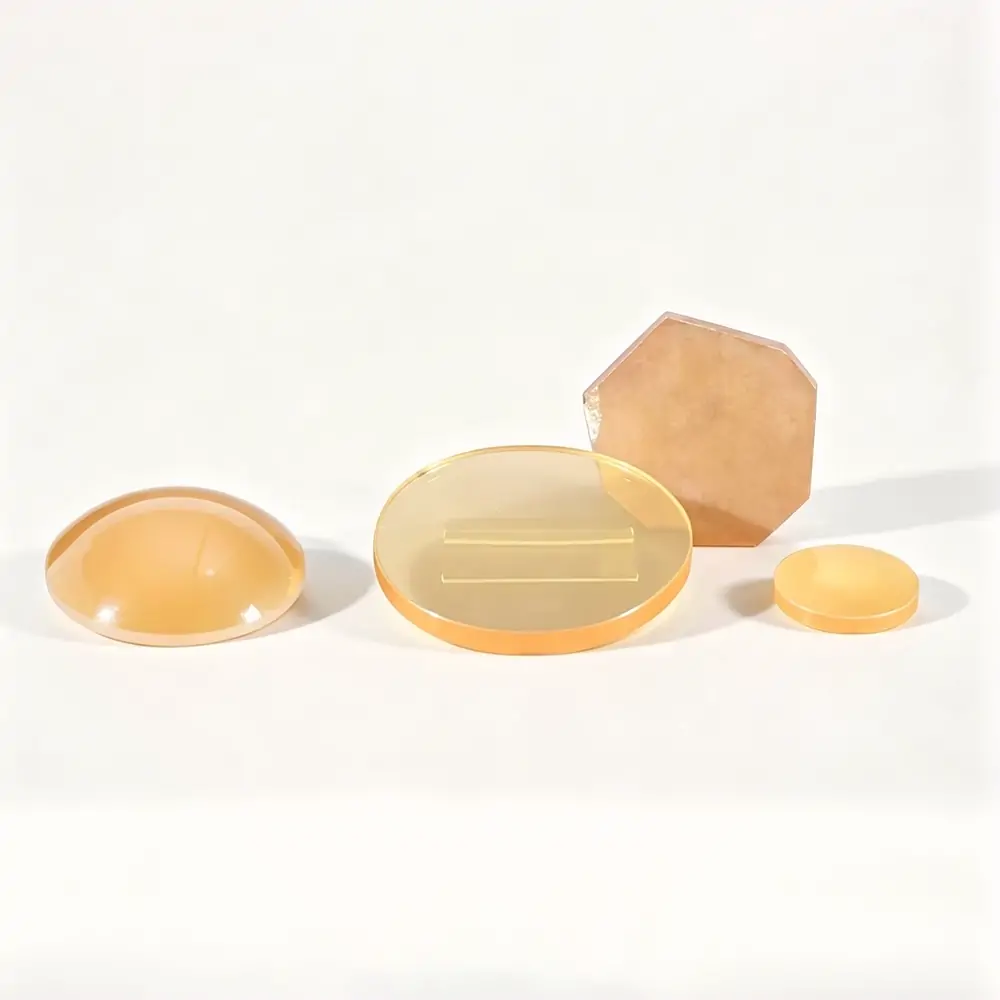
ZnS plano-convex lenses for MWIR and LWIR systems, offering durable zinc sulfide optics with custom sizes, AR coatings, and IR applications.